Available 24/7
Serving Trumbull, Mahoning, Portage, Columbiana & surrounding counties
 Skip to content
Available 24/7
+1 (216) 659-7731
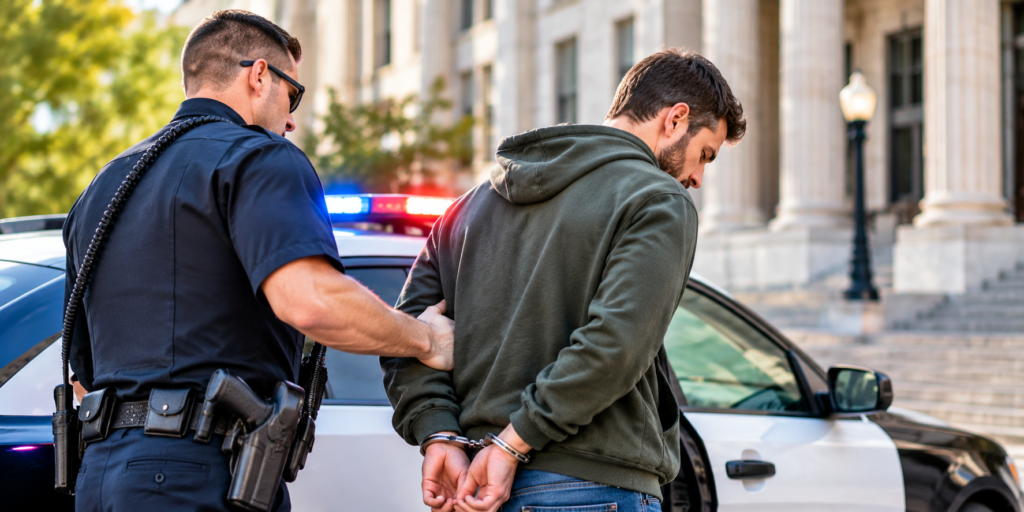
When someone is arrested in Ohio, families often have immediate questions: Where will the person be taken? How long will they stay in jail? When is bail set? And what can family members do to help? Understanding what happens after an arrest in Ohio can make the situation easier to navigate.
After someone is arrested in Ohio, police take them into custody, book them into jail, and bring them before a judge or magistrate for an initial appearance, often within about 48 hours. The court then addresses bond, and the case moves to arraignment, where the person enters a plea, followed by pretrial proceedings. Exact timing and procedures vary by county, charge, jail, and court.
This blog explains the Ohio arrest process step by step, including what happens after booking, how bond works, and when to contact a criminal defense attorney.
Here is the typical sequence in Ohio:
None of these steps comes with a guaranteed timeline or result. Weekends, holidays, court schedules, and the seriousness of the charge can all change the pace.
An arrest happens when law enforcement takes a person into custody. In Ohio, an arrest generally requires either a warrant issued by a judge or probable cause to believe the person committed a crime. Probable cause means facts that would lead a reasonable person to believe a crime occurred and that this person committed it.
People who are arrested have important constitutional rights. The most important to understand early are:
To use these rights clearly, a person should state plainly that they want to remain silent and want a lawyer, then stop answering questions. Anything said to officers can potentially be used as evidence. Jail phone calls are typically recorded, so discussing case details on them is risky.
If a person cannot afford a lawyer and faces possible jail time, the court may appoint one, often a public defender. Others hire a private defense lawyer.
After arrest, the person is taken to a county jail or local holding facility for the Ohio booking process. Booking usually includes:
Booking can take several hours, and the timeline varies by facility and how busy it is. An arrest late at night, sometimes called a “midnight booking,” often means the person waits until the next court session for a judge to see them. No one can promise how long it will take.
How family can help right now: Find out which facility is holding the person. Most Ohio county sheriffs and jails offer an online inmate search or a non-emergency phone line. Ask about the charges, bond amount (if already set), and visiting and phone rules.
Ohio’s Rules of Criminal Procedure, specifically Crim.R. 5, require that a person arrested without a warrant be brought before a court without unnecessary delay. This is the first court appearance in Ohio. At this hearing, a judge or magistrate typically:
In many courts, especially for misdemeanors, the initial appearance and arraignment happen together. Many Ohio courts also hold these hearings by video from the jail.
How long after arrest is court? Many people see a judge within a day or two, but weekends, holidays, and local court schedules can add time. A felony case can take longer to formally move forward, because the prosecutor may present the case to a grand jury.
People often ask how to get someone out of jail in Ohio. The answer depends on what the judge orders. Common release options include:
A judge may also set bond conditions, such as:
Violating a condition can lead to bond revocation and a return to jail. In limited circumstances involving serious charges, a judge may deny bail. Courts may also order a person held when other holds or warrants exist.
Freeman Bail Bonds can explain how bond works, what information you’ll need, and what responsibilities come with posting bond for someone you care about. Call (216) 659-7731 or email freemanbailbonding@gmail.com to talk through your options. For legal advice about the charges themselves, please consult a licensed Ohio criminal defense attorney.
Learn more: Bail Bonds in Ohio.
At arraignment (Crim.R. 10), the defendant is formally told of the charges and asked to enter a plea. In Ohio, the options are:
Entering a not guilty plea at arraignment does not mean the person is claiming a particular defense. It simply keeps the case moving while the attorney investigates. Before any plea, a defendant should talk with a lawyer whenever possible.
Misdemeanor vs. felony. Misdemeanors are typically handled in municipal or county courts, and felonies in the court of common pleas. Felony cases often involve a preliminary hearing or a grand jury indictment before the common pleas arraignment, so the timeline is longer.
After arraignment, the case enters the pretrial stage. This is where much of the work happens. It may include:
Cases can end in many ways, including dismissal, a plea, an acquittal, or a conviction followed by sentencing. No lawyer can honestly promise a specific outcome. Ohio also has speedy-trial rules with deadlines that can be extended in some circumstances, which an attorney can explain.
Seeing a loved one arrested is stressful. These practical steps can help:
Find the person.
Gather basic information.
Take helpful next steps.
Yes. If you need help understanding the bond process, Freeman Bail Bonds can explain the available surety bond options and guide you through the next steps.
Freeman Bail Bonds provides 24/7 bail bond assistance in Youngstown, Cleveland and surrounding Northeast Ohio communities, including Trumbull, Mahoning, Portage, and Columbiana counties.
Call +1 (216) 659-7731 to discuss your situation and understand the bond process.
Visit Freeman Bail Bonds for more information.
It depends on the charge, the court's schedule, and whether bond is set or posted. Courts generally must bring a person before a judge promptly, often within about 48 hours, but weekends and holidays can affect timing.
Often within a day or two, but it depends on the court, the charge, and the day of the week. Weekends and holidays can cause delays.
Sometimes. Release may happen if bond is already set by a schedule or if the person qualifies for release on recognizance. Many people must wait for a judge to address bond at the initial appearance.
In some cases, yes, if the offense is covered by a court’s bond schedule or the person is released with a citation. It depends on the court and the charge.
Premiums are typically a percentage of the bond amount, and are usually non-refundable. Ask your bail bond agent for the exact terms in writing.
Release doesn’t end the case. Court dates and potential penalties remain, so consulting a defense attorney is strongly advised.
No. An arrest is police action. Charges are filed by the prosecutor, and in felony cases, often after a grand jury indictment.

Freeman Bail Bonds is a bail bonding professional serving families in Ohio. Through daily work with families navigating the jail release process, the author helps people understand how bonds work, what court dates require, and what questions to ask.
3447 nutley avenue 1 Ohio 44483, USA
$JamesBond7731
 Optimized by Seraphinite Accelerator
